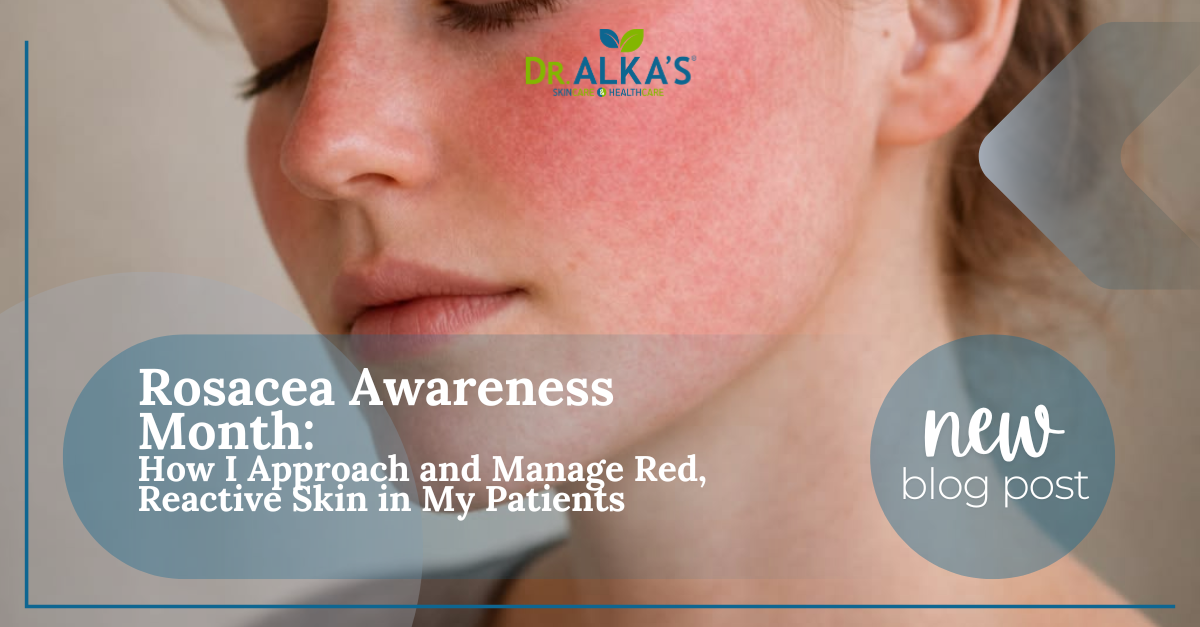
Rosacea Awareness Month: How I Approach and Manage Red, Reactive Skin in My Patients
April is Rosacea Awareness Month, and over the years in my clinic, I’ve realised something important—most patients don’t come in saying “I have rosacea.”
They come in saying:
“My face keeps flushing.”
“My skin has become so sensitive.”
“Nothing suits me anymore.”
And very often, what they’re dealing with is rosacea.
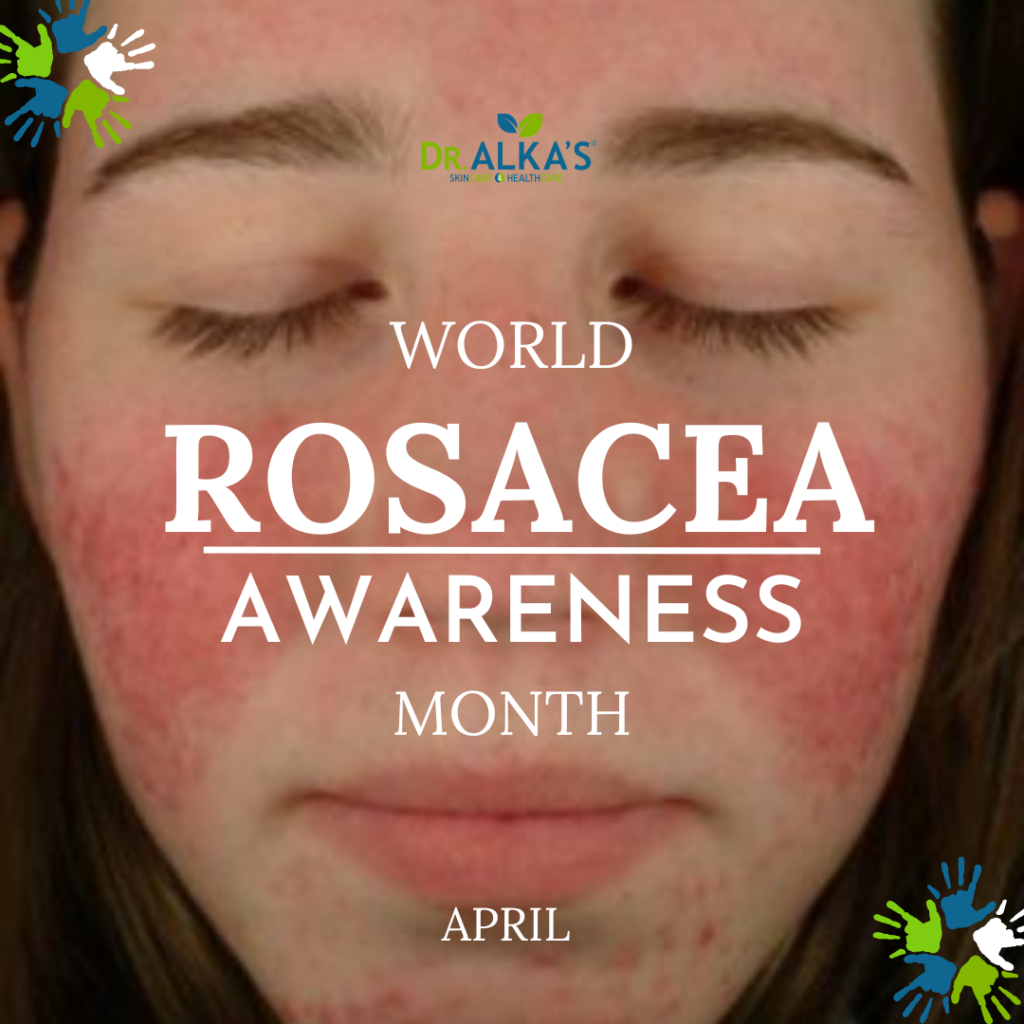
Rosacea is not just “red skin.” It’s a chronic, inflammatory condition that behaves differently in every individual.
Some patients have persistent redness across the cheeks and nose.
Others develop acne-like breakouts but with extremely sensitive skin.
And some experience burning, stinging, and dryness that doesn’t improve with regular moisturisers.
One of the biggest challenges is that rosacea is often mismanaged before it reaches me—treated as acne, over-exfoliated, or exposed to too many active ingredients.
My First Step is Always the Same: Simplify
When a rosacea patient walks into my clinic, I don’t start by adding multiple treatments.
I start by taking things away.
Most of them are using:
- Too many products
- The wrong kind of actives
- Or harsh formulations that have compromised their skin barrier
Before anything else, I focus on calming the skin down.
Understanding Triggers is Key
One thing I always explain to my patients is this:
Rosacea is not just about what you apply—it’s about how your skin reacts to your environment and lifestyle.
Common triggers I see include:
- Sun exposure
- Stress
- Hot drinks and spicy food
- Alcohol intake
- Sudden temperature changes
- emotional outbursts
I often ask patients to observe patterns. Even small insights can make a significant difference in long-term control.
I ask them to maintain a daily diary and then build a routine tailor-made to them .
How I Build a Rosacea Routine
My approach is always gentle, structured, and consistent.
1. Repair the Skin Barrier First
If the barrier is compromised, nothing else will work.
I focus on:
- Mild cleansers
- Hydrating, fragrance-free formulations
- Ingredients that reduce inflammation rather than stimulate the skin
- A good barrier repair cream
- A broad spectrum sunscreen.
2. Introduce Treatment Gradually
Once the skin is calmer, I may introduce targeted treatments depending on the type and severity of rosacea.
This could include:
- Prescription topicals like metronidazole or azelaic acid
- Oral medication in certain cases
- In-clinic procedures when needed like detox drip , Elight laser , Soothing calming treatment protocols
But timing is everything. Doing the right thing at the wrong time can worsen the condition.
3. Sun Protection is Non-Negotiable
This is something I repeat to every rosacea patient.
Without proper sun protection, flare-ups will continue—no matter how good the rest of the routine is.
Where Most People Go Wrong
The most common mistake I see is over-treating the skin.
Patients often come in after trying:
- Strong exfoliants
- High-strength actives
- Multiple trending skincare products
- Topical steroids
With rosacea, more is not better. In fact, more is often the problem.
What I Tell My Patients
Rosacea cannot be “cured,” but it can be very well controlled.
And control comes from:
- Consistency
- Patience
- And respecting the skin rather than fighting it
When managed correctly, the skin becomes calmer, stronger, and far less reactive over time.
Final Thoughts
Rosacea is a condition that requires a thoughtful and personalised approach. No two patients are the same, and that’s exactly how treatment should be.
This Rosacea Awareness Month, I encourage people to move away from guesswork and seek the right guidance early.
Because with the right approach, red, reactive skin doesn’t have to control your life.